
Why Daily Prayer and Meditation Are Essential Healthy Habits in the Caliwalks Schedule

A healthy routine is easier to follow when it cares for more than the body. Walking supports movement. Good food supports energy. Rest supports recovery. Prayer and meditation support the inner life, giving each day a steadier rhythm and a calmer center.
That is why prayer and meditation belong in the Caliwalks schedule. They are not extra tasks to squeeze in after everything else. They are daily habits that help shape the way the rest of the day feels. A few quiet minutes can change how a walk begins, how stress is handled, and how the mind settles before sleep.
This does not mean every person prays or meditates in the same way. Prayer may be spiritual, faith-based, or deeply personal. Meditation may be silent breathing, reflection, gratitude, or focused awareness. The shared goal is simple: creating space each day to pause, reconnect, and move through life with intention.

The Caliwalks schedule supports the whole person
A walking schedule can help build discipline, stamina, and consistency. Yet health is not only about steps, miles, or calories burned. The mind and spirit carry stress, worries, grief, hope, gratitude, and purpose. A strong daily schedule should make room for those parts of life too.
Prayer and meditation fit naturally into a walking-centered lifestyle because they slow the pace before or after movement. They give meaning to the routine. Instead of treating the day as a race from one responsibility to the next, they create a small, dependable pause.
That pause matters.
When prayer and meditation become part of the same daily structure as walking, they are easier to maintain. People often struggle with healthy habits because they treat them as separate decisions. Should I walk today? Should I reflect today? Should I take time to breathe today?
A schedule reduces that decision fatigue. The habit becomes expected. It has a place.
For example, a simple Caliwalks rhythm might include:
A short prayer or quiet intention before the morning walk
A few minutes of mindful breathing after walking
A gratitude reflection in the evening
A peaceful moment before bed to release the day
None of these steps need to take long. The value comes from returning to them daily. Small habits done often can have a deeper effect than long routines done once in a while.
Prayer and meditation turn a walking schedule into a full wellness practice. They help connect physical movement with emotional balance, spiritual grounding, and mental clarity.
Daily prayer creates purpose, gratitude, and emotional strength
Prayer gives many people a way to begin the day with meaning. It can be a conversation with God, a moment of surrender, a request for guidance, or a simple expression of thanks. It can happen in silence, out loud, through written words, or during a walk.
The benefit of daily prayer is not only found in the words spoken. It is also found in the habit of pausing. Prayer makes space to step back from pressure and remember what matters.
A daily prayer practice can help with:
Naming concerns instead of carrying them silently
Giving thanks for ordinary blessings
Asking for patience, courage, or wisdom
Remembering loved ones and community needs
Setting a kinder tone for the day
Prayer can also help people handle uncertainty. Life often brings problems that cannot be solved in one morning. A health concern, a family stress, a financial challenge, or a heavy personal season can make the mind feel crowded. Prayer offers a place to bring those concerns without needing to have every answer.
That act alone can be grounding.
Within the Caliwalks schedule, prayer can be placed at natural transition points. Before a walk, it can help set an intention. During a walk, it can become a steady rhythm, matched to steps and breath. After a walk, it can become gratitude for the body, the air, the time, and the strength to keep going.
A simple daily prayer might sound like:
Help me move through this day with patience, strength, gratitude, and peace.
It does not need to be complicated. Short, honest prayers often become the most sustainable ones. They can be repeated, adapted, or held quietly in the heart.
Prayer also encourages reflection on character. A person may pray to be more forgiving, less reactive, more generous, or more focused. Over time, that daily attention can shape choices. It can affect how someone speaks, listens, responds, and handles conflict.
In that way, prayer supports health beyond the individual. A calmer, more grateful person often brings more peace into relationships too.

Meditation trains the mind to slow down and return to the present
Meditation is often misunderstood as emptying the mind completely. For most people, that is not how it works. The mind thinks. It wanders. It jumps to plans, memories, worries, and distractions. Meditation simply teaches the mind to notice that wandering and gently return.
That practice has real value in daily life.
When done regularly, meditation may support calm, attention, and emotional awareness. Research suggests mindfulness practices can help some people reduce stress and improve focus, although results vary from person to person. This article is informational only and is not medical advice.
The practical power of meditation comes from repetition. Each time attention returns to the breath, a phrase, a sound, or the present moment, the mind practices steadiness. That steadiness can carry into the rest of the day.
A person who meditates daily may still feel stress. The difference is that stress may become easier to notice before it turns into reaction. A tense jaw, rushed breathing, tight shoulders, or racing thoughts can become signals to pause.
Meditation can be especially useful after a Caliwalks session. Walking wakes up the body. A few minutes of stillness afterward lets the nervous system settle. The combination can feel balanced: movement first, quiet next.
A simple meditation practice can look like this:
Sit comfortably.
Place both feet on the floor.
Rest the hands loosely.
Breathe in through the nose if comfortable.
Breathe out slowly.
Notice the breath for two to five minutes.
When the mind wanders, return to the next breath.
That is enough to begin.
Meditation can also happen while walking. This is helpful for people who find sitting still difficult. During a walking meditation, attention stays with simple sensations:
The feeling of each foot touching the ground
The rhythm of breathing
The movement of arms and legs
The sounds nearby
The feeling of sunlight, shade, or breeze
This turns an ordinary walk into a mindful walk. The goal is not speed. The goal is presence.
Meditation also creates a healthier relationship with thoughts. Many people believe every thought needs attention. Meditation shows that thoughts can pass through the mind without becoming commands. A worry can appear and fade. A memory can rise and settle. A distraction can be noticed and released.
That skill is useful during work, family responsibilities, exercise, and rest. It helps create a bit of space between what happens and how a person responds.
Prayer and meditation make daily walking more meaningful
Walking already offers many benefits. It gets the body moving, supports circulation, encourages time outdoors, and can fit into many fitness levels. When paired with prayer and meditation, walking becomes more than exercise. It becomes a daily reset.
The Caliwalks schedule works well because walking, prayer, and meditation support each other.
Walking helps release physical tension. Prayer helps direct the heart. Meditation helps steady the mind. Together, they create a rhythm that is simple, repeatable, and realistic for daily life.
This matters because healthy habits often fail when they feel too demanding. A routine that requires special equipment, large blocks of time, or perfect conditions is harder to keep. Prayer and meditation need none of that. They can happen at home, outside, in a parked car before errands, during a quiet lunch break, or beside the bed at night.
They also pair naturally with different parts of a walk.
Before walking, prayer can create intention.
A person might pray for strength, patience, healing, or gratitude. This turns the walk into a purposeful act instead of just another task.
During walking, meditation can create awareness.
Attention can stay with breath, posture, or surroundings. This helps quiet mental noise and makes the walk feel more restorative.
After walking, reflection can create closure.
A few minutes of stillness can help the body cool down and the mind absorb the experience. This is a good time to notice what shifted. Maybe the body feels lighter. Maybe the mind feels clearer. Maybe a problem feels less overwhelming.
This pattern can be short and still meaningful:
Before the walk
During the walk
After the walk
Say a brief prayer or set one clear intention.
Notice breathing, steps, and the present moment.
Sit quietly, give thanks, and let the body settle.
Over time, this routine teaches consistency. The walk becomes a cue for prayer. Prayer becomes a cue for mindful movement. Movement becomes a cue for meditation. The habits begin to support one another.
That is one reason Why Daily Prayer and Meditation Are Essential Healthy Habits in the Caliwalks Schedule feels less like a slogan and more like a practical truth. A healthy day needs movement, but it also needs meaning and calm.

A daily habit does not have to be long to be powerful
Many people skip prayer or meditation because they believe they need a perfect setup. A quiet room. A long stretch of time. A clear mind. A special routine. Those expectations can make the habit feel harder than it needs to be.
A daily practice can start with five minutes.
One minute of prayer before a walk can matter. Three minutes of breathing after a walk can matter. A single line of gratitude at the end of the day can matter. The key is to make the habit repeatable.
Consistency grows when the routine is simple.
Try linking prayer and meditation to parts of the day that already exist:
After waking up, sit at the edge of the bed and pray briefly.
Before starting a walk, take three slow breaths.
During the first block, walk quietly without music or phone use.
After the walk, sit for two minutes and notice how the body feels.
Before sleep, name one thing to release and one thing to be thankful for.
This kind of structure works because it removes pressure. The practice does not need to be perfect. It only needs to be honest and consistent.
Some days will feel peaceful. Other days will feel distracted. That is normal. The purpose is not to perform prayer or meditation well. The purpose is to return to the habit daily.
A helpful approach is to choose a simple anchor.
For prayer, the anchor might be one short phrase:
Give me peace today.
Help me be patient.
Thank you for this day.
Guide my steps.
Strengthen me for what is ahead.
For meditation, the anchor might be the breath, footsteps, or a calming word. When attention wanders, return to the anchor. No judgment is needed.
The Caliwalks schedule can help because it already creates a pattern. Adding prayer and meditation to that pattern makes the habit easier to remember. It becomes part of the daily flow, not a separate demand.
It also helps to keep expectations realistic. A person does not need to feel calm right away. Prayer may bring up emotion. Meditation may reveal how busy the mind has been. That does not mean the practice is failing. It means awareness is growing.
Awareness is part of health.
When people become more aware of their inner state, they can make better choices. They may notice when they need rest, connection, forgiveness, exercise, or support. Prayer and meditation open the door to that kind of self-honesty.
The daily takeaway is simple
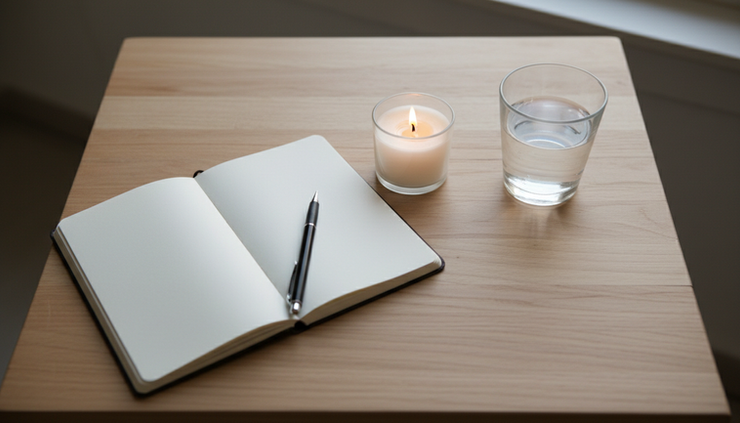
Prayer and meditation are healthy habits because they give the day a center. They help calm the mind, strengthen gratitude, support emotional balance, and bring intention to ordinary routines. When they are included in the Caliwalks schedule, they make daily wellness feel more complete.
Walking cares for the body. Prayer nourishes the spirit. Meditation steadies the mind.
Together, they create a simple rhythm that can be practiced almost anywhere. Start small. Pray before the walk. Breathe during the walk. Sit quietly after the walk. Repeat it tomorrow.
A healthy life is built through daily choices, and a few quiet minutes can be one of the strongest choices of the day.


Comments